Origin
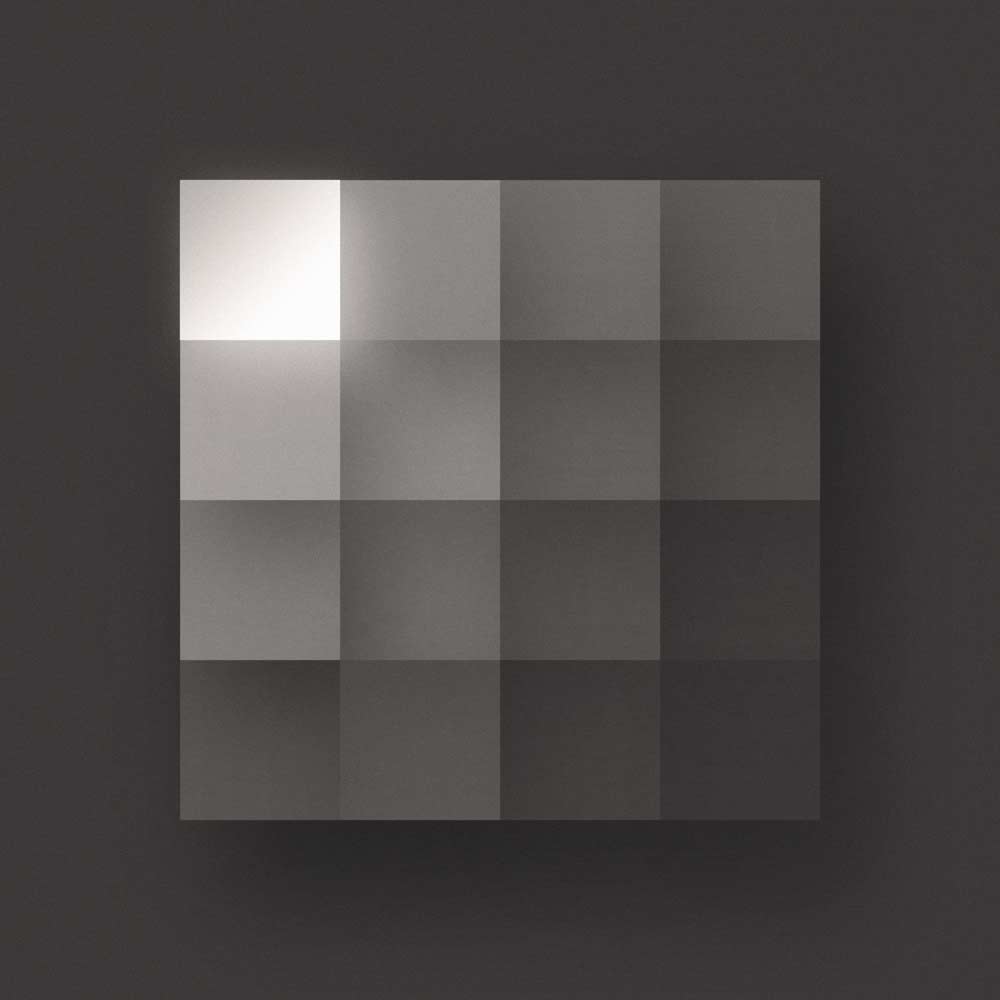
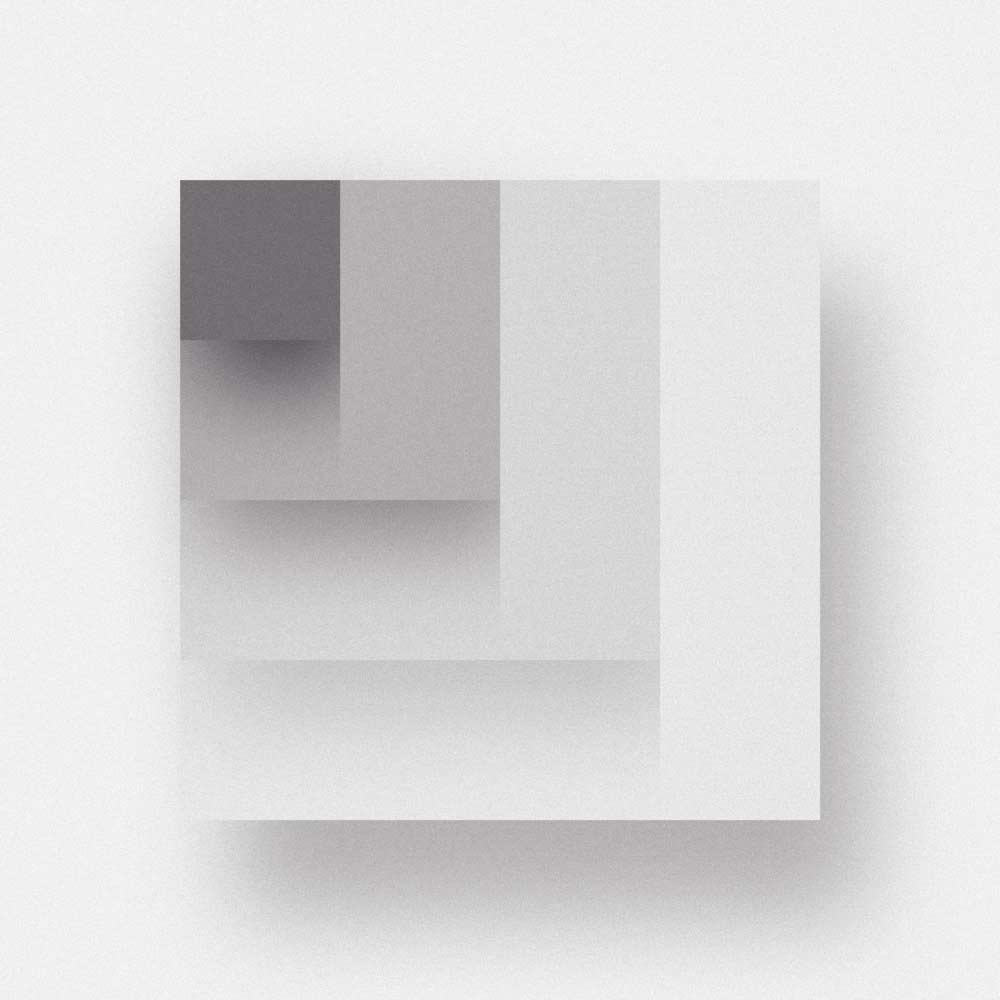
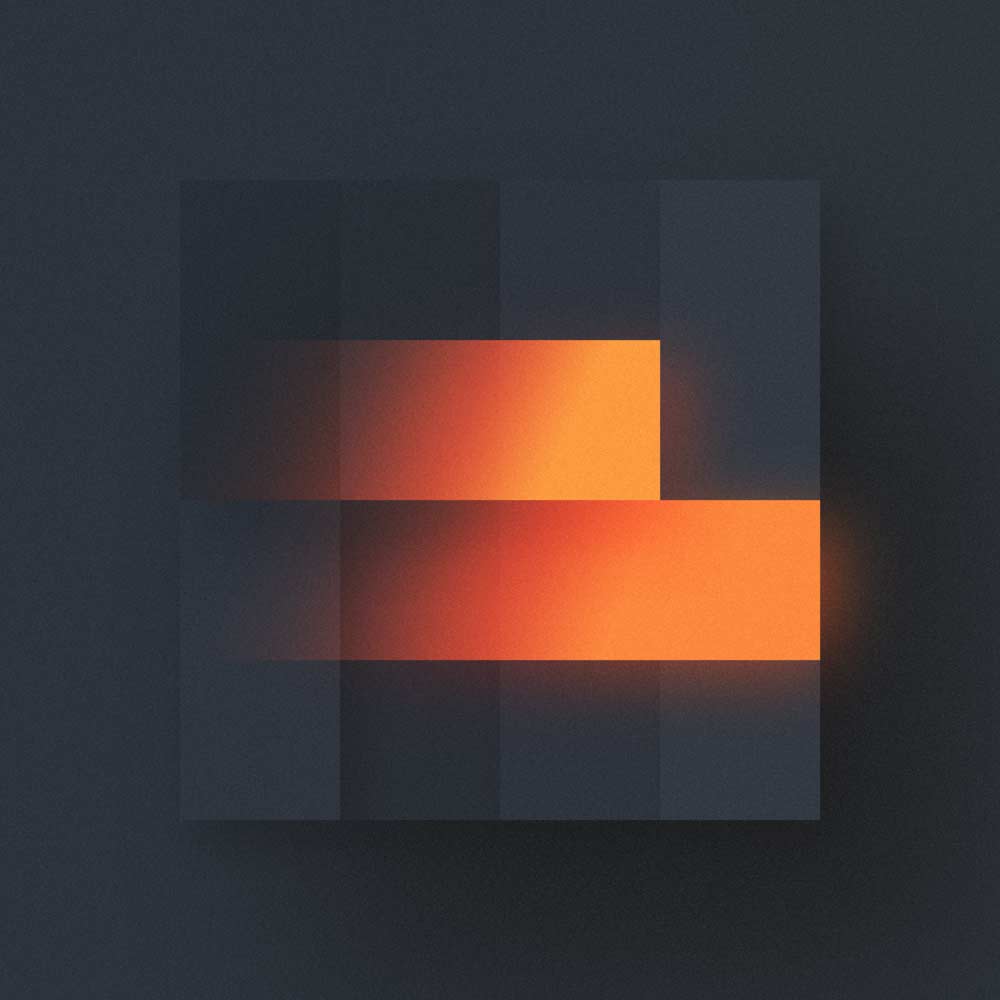
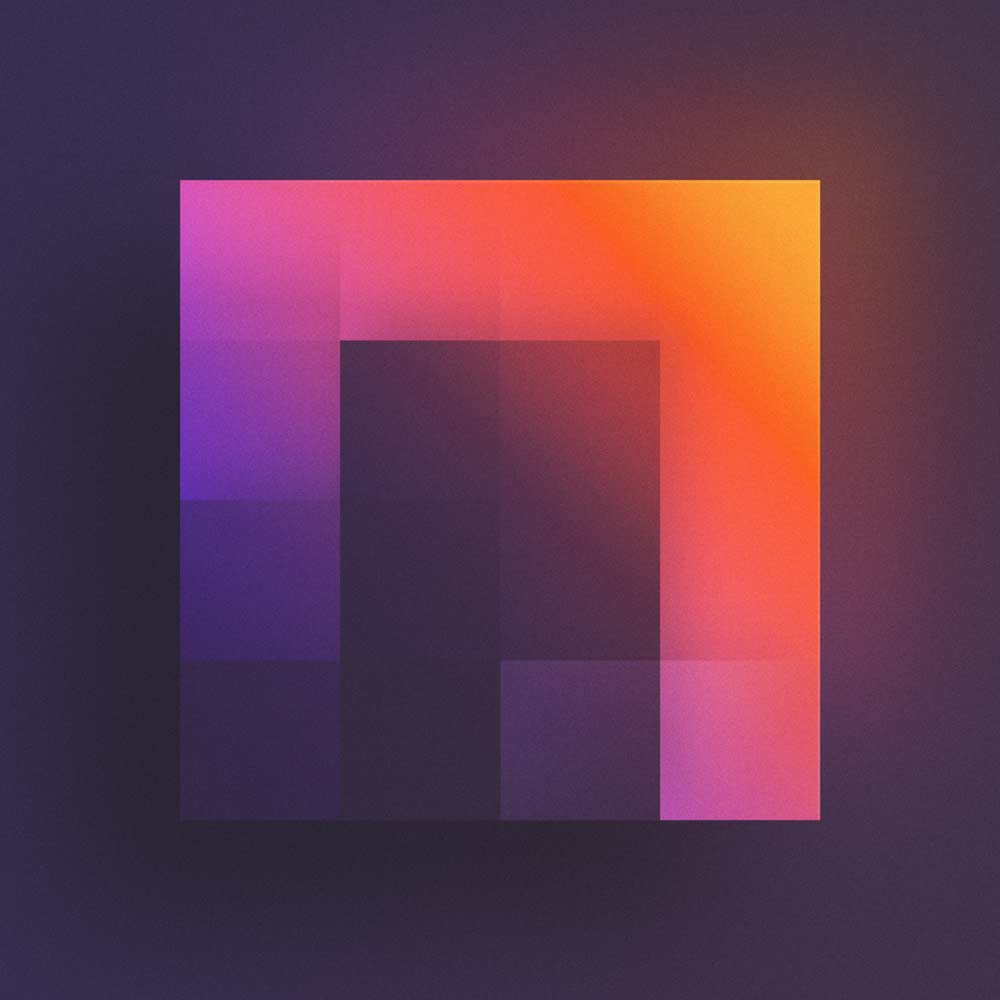
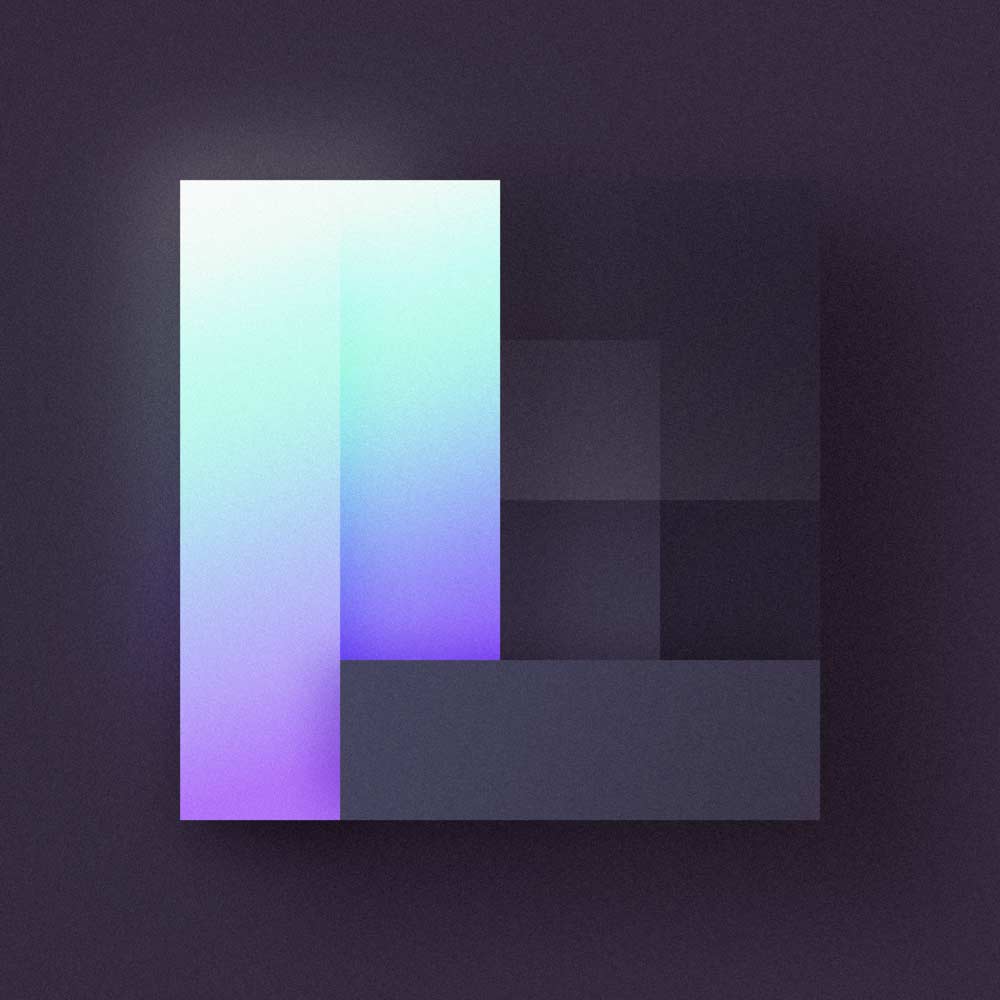
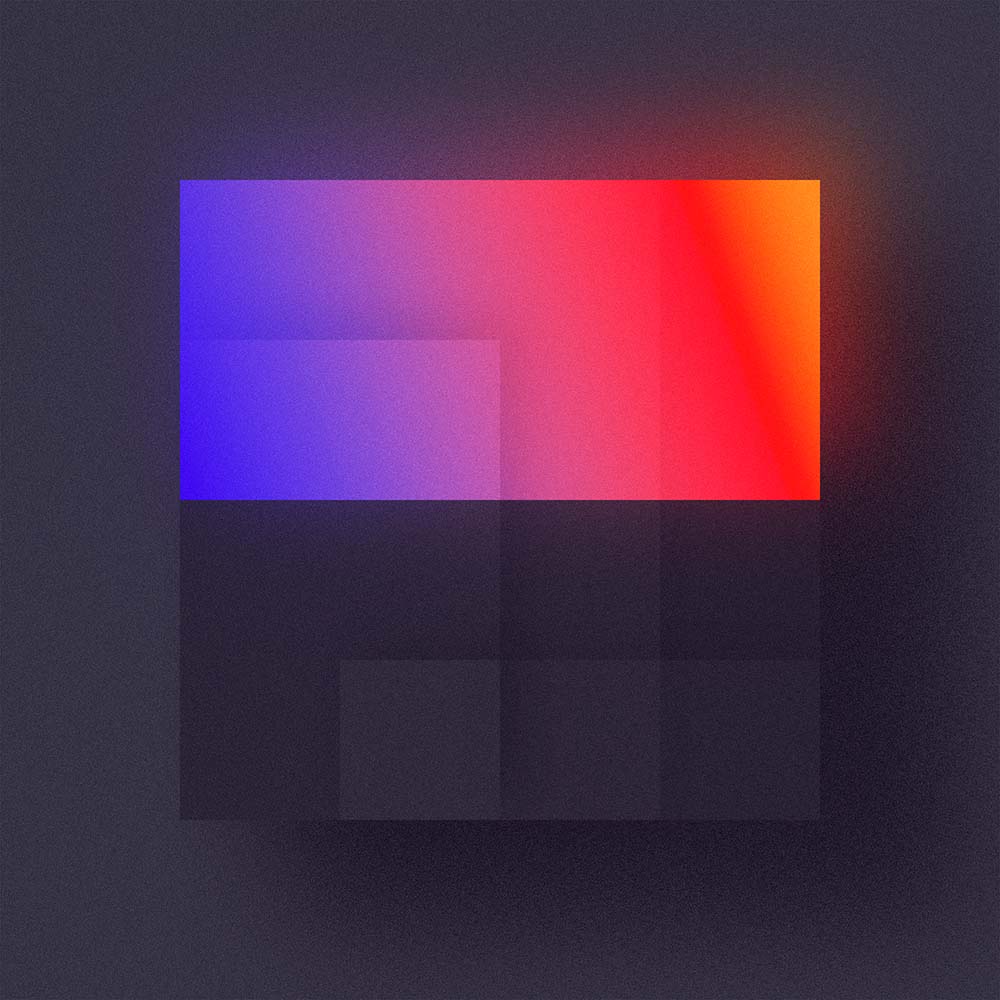
"The Grid" is a 1/1 thematic collection created in 2023 and released on Ethereum. 16 artworks, each constructed on a fixed 16-unit grid. Form compositions that embrace the given visual limitation to articulate fragments of my past, intimate thoughts and personal reflections shaped through defined structure.
Protogrid
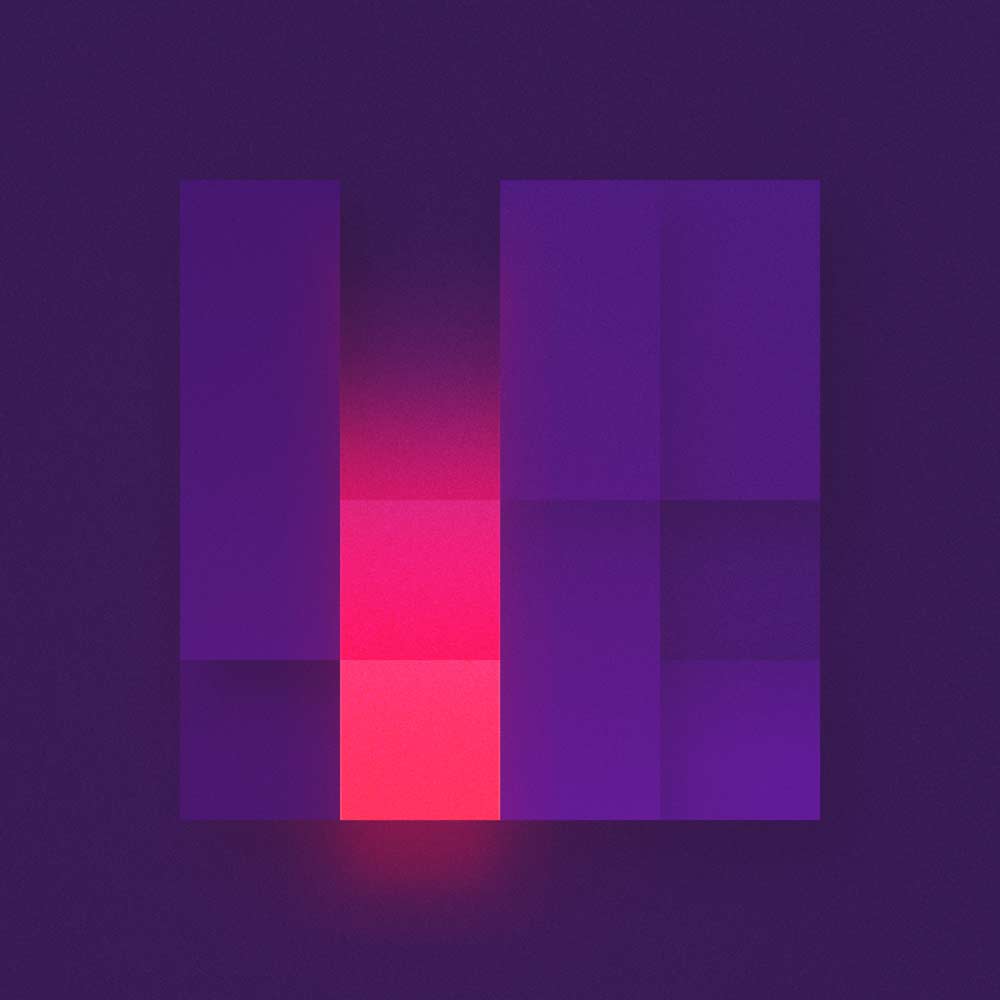
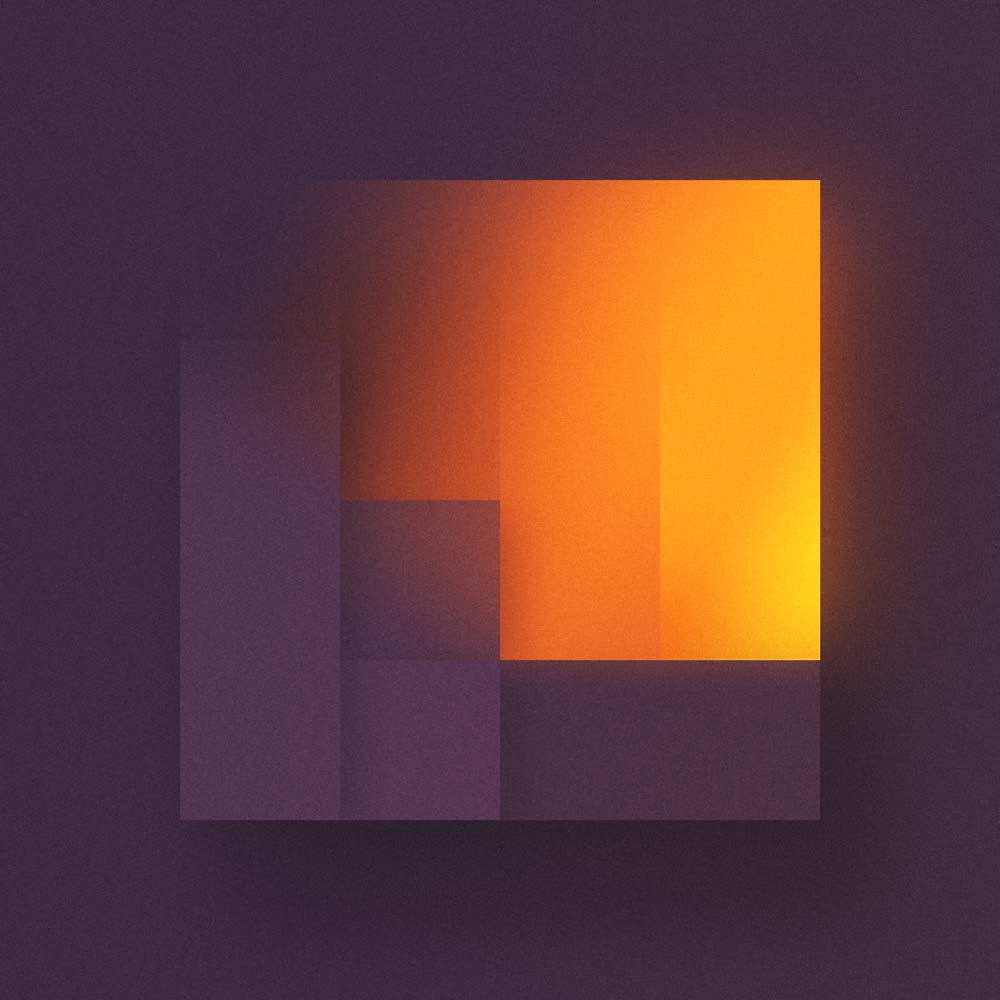
"Protogrid" marks the first act of a broader vision, serving as a bridge between my existing body of work and a new line-up of generative projects.
The collection builds directly on "The Grid" foundation and aesthetic: It inherits the balance between constraint and expression, and the use of depth, light, and gradients but translates them into a procedural system.
What was previously resolved through individual decisions is now encoded into rules. The work evolves from singular compositions into a generative space, where variation emerges from the same underlying logic, extending The Grid beyond the 1/1 format and into scalable, algorithmic form.
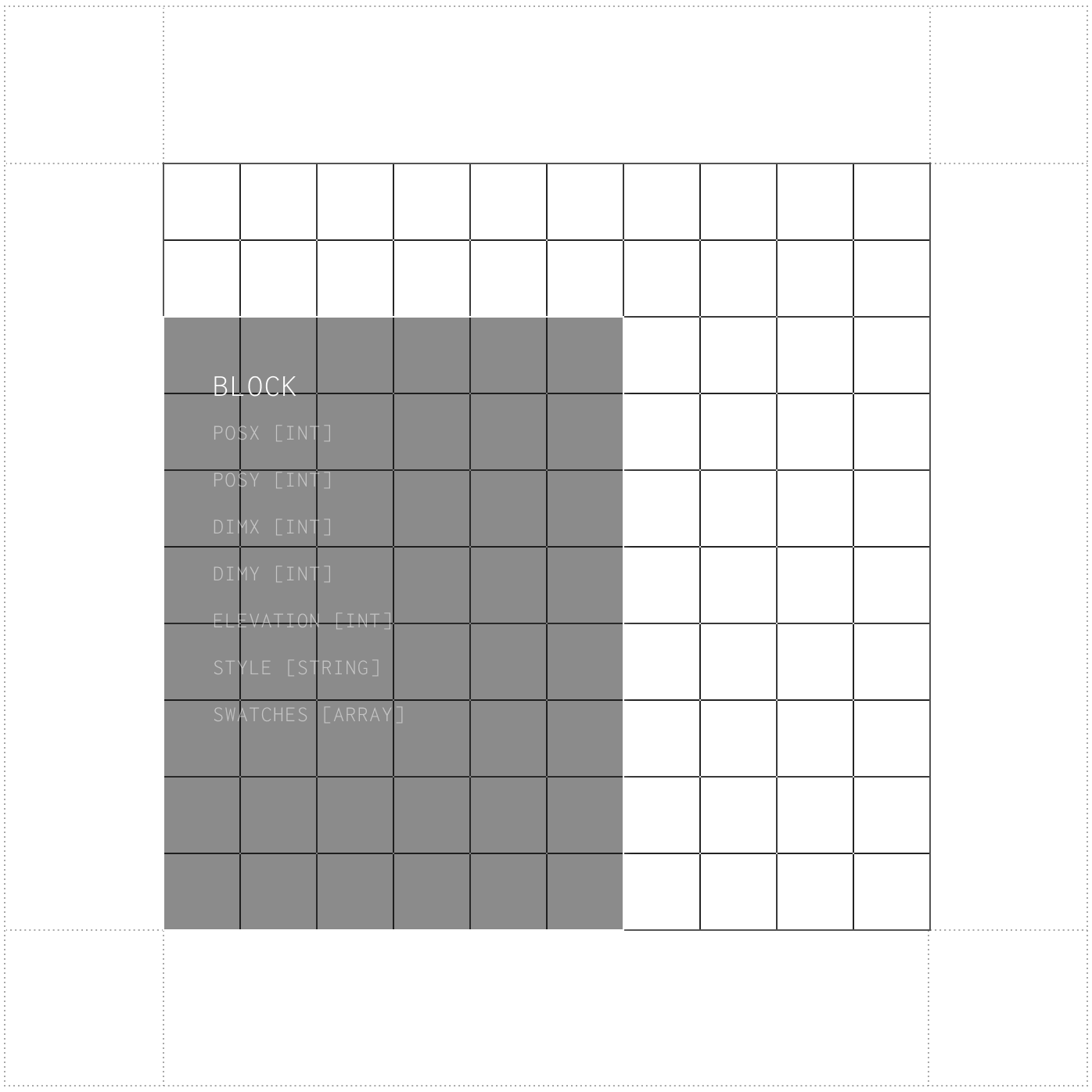
High level representation of the foundational elements of a Block
A scalable system
Protogrid is built on a single, repeatable idea: one small square, a unit, is all it takes to set everything in motion. Units form cells, cells make room for blocks. Blocks of varying sizes are placed across that grid, creating shapes that can be as small as a single cell or as wide as the entire canvas.
This scalability is what gives the system its character. The same underlying structure can feel open and airy in one area, and dense and intricate in another, all without changing the rules.
A guiding strategy determines how blocks are arranged, mixing randomization with block type clustering logic, so every composition feels considered rather than accidental.
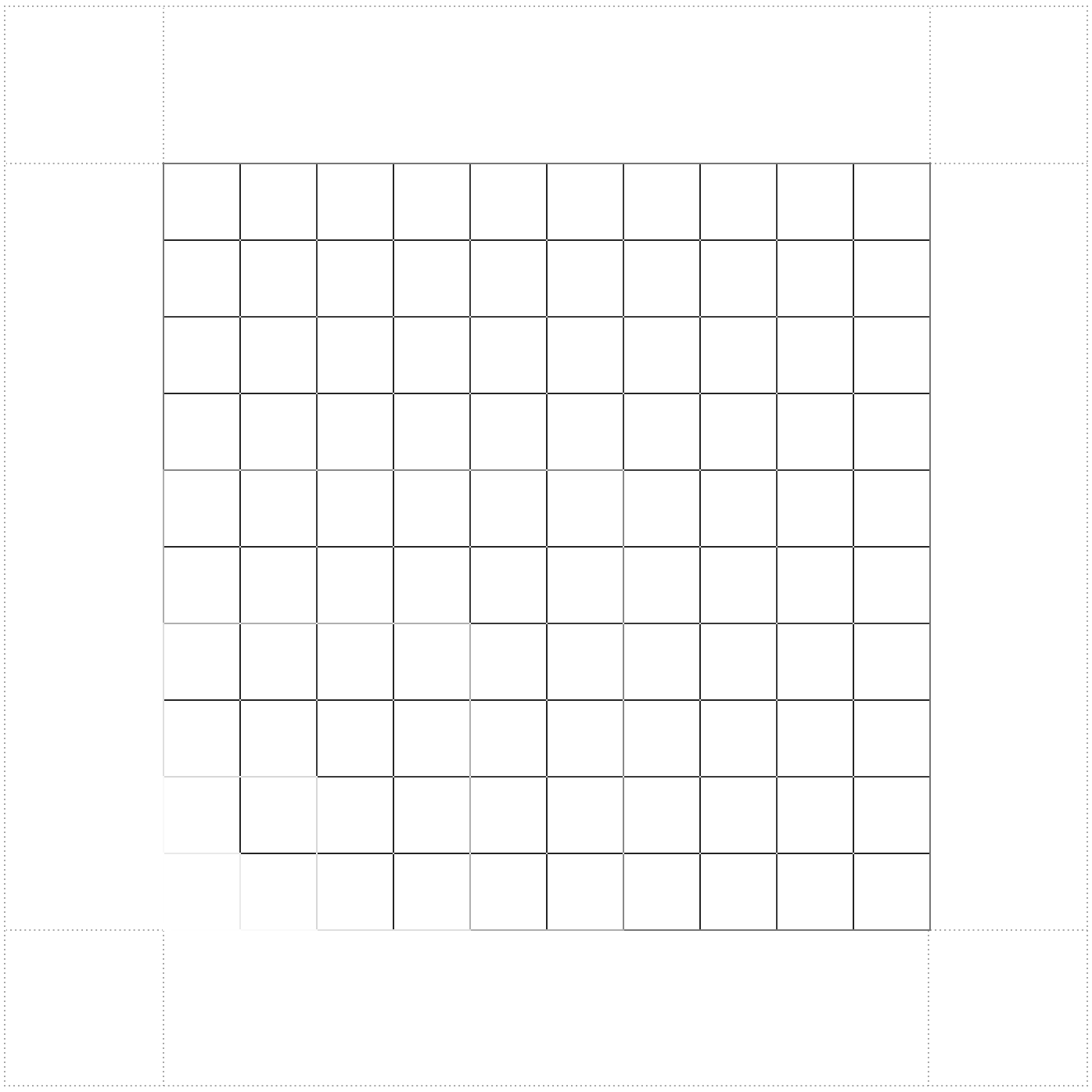
The current system is set on a range between 64 and 4096 cells, With a unit of 8 pixels.
The Schema
Every artwork is uniquely locked into its code definition. No matter the generation mode, every output is built upon a shared schema definition: A json file that represents in detail every block of an artwork. Every token artwork is the visual representation of this schema, which is rendered in real time. While a schema is the visual source of truth , frozen in time and never subject to change, the visual representation of "The Grid" could be extended and evolve over time by evolving the renderer.
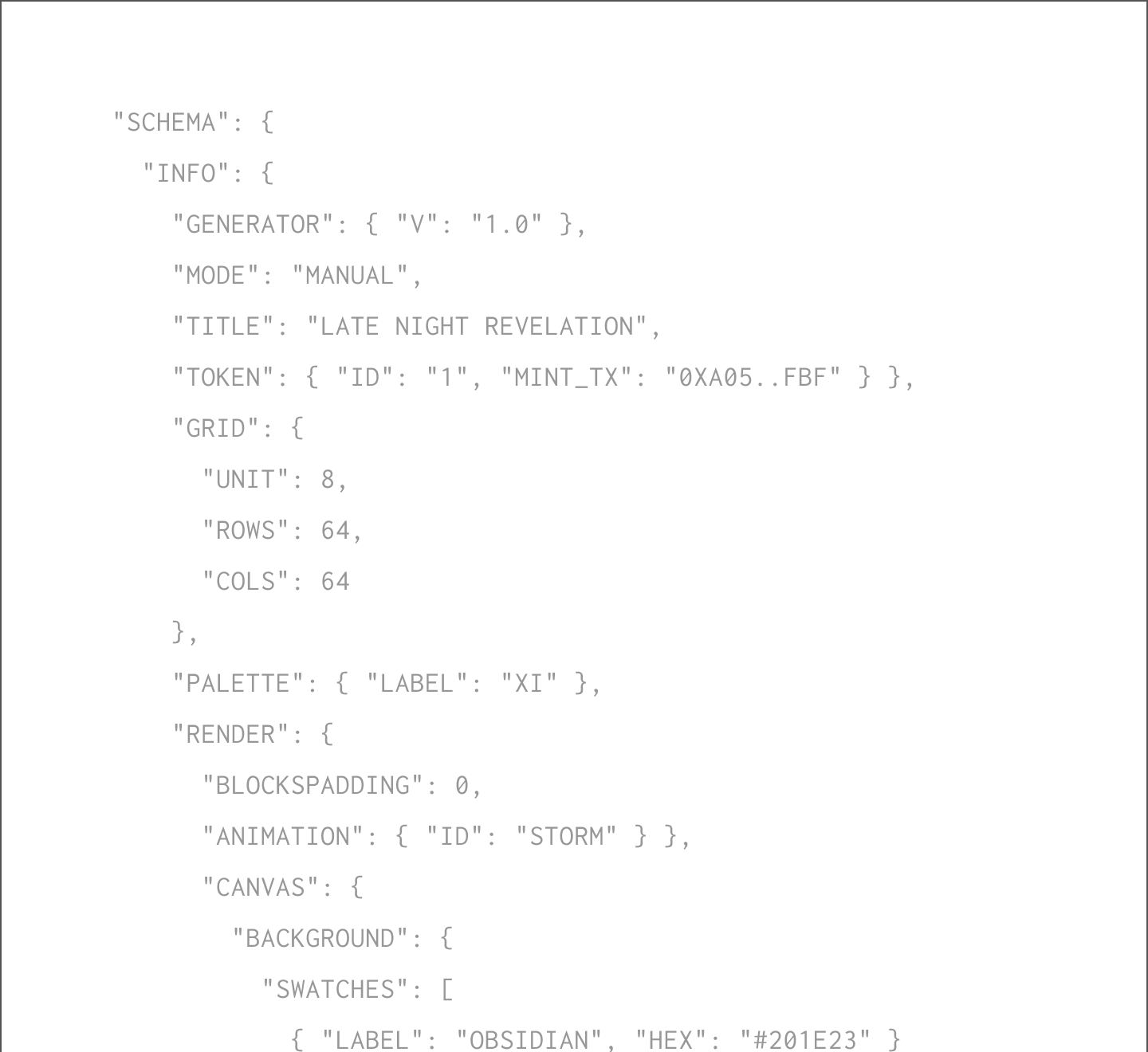
Excerpt of the json schema file for Protogrid #1
Generative pipeline
Protogrid artworks were generated in real time during the mint, through a proprietary engine that listens to blockchain events and instantly produces schema, artwork preview, and metadata assets for each new token and uploads everything remotely on the fly.
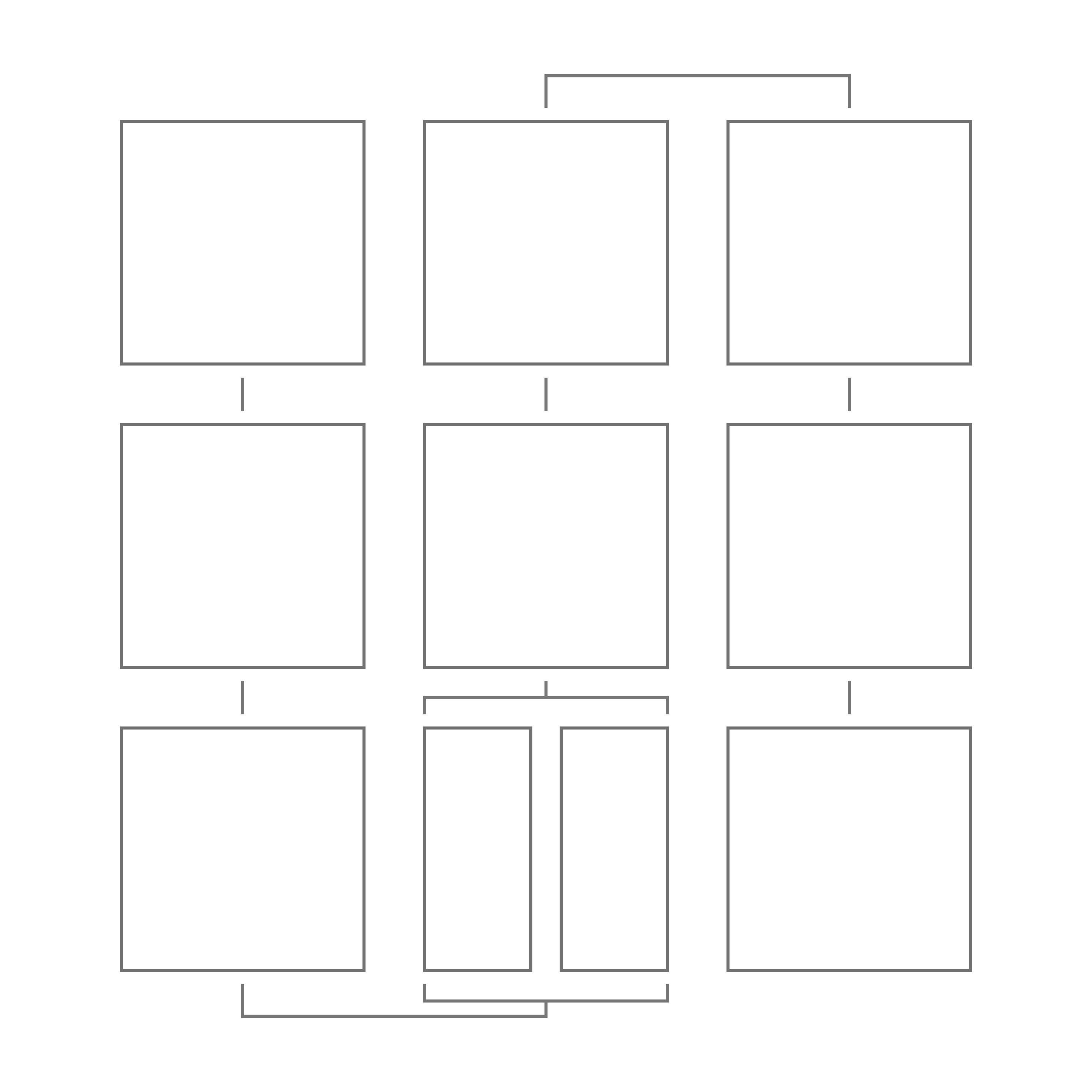
Pipeline flow from token mint to output rendition
Generative buckets
At every token mint, Protogrid Cluster assigns one of the following three generation processes to the contract token:
Manual Generation
The first Four grids are crafted by myself, hardcoding values into the algorithm. These are the first numbered, rare tokens and will be auctioned at mint.
AI-driven Generation
A limited set of grids generated in real time by a proprietary AI agent, responsible for defining the artwork's subject and producing the corresponding schema.
Algorithmic
A procedural algorithm creates compositions that remain true to the original aesthetic of The Grid 1:1 collection, while exploring new directions, themes, and layouts.
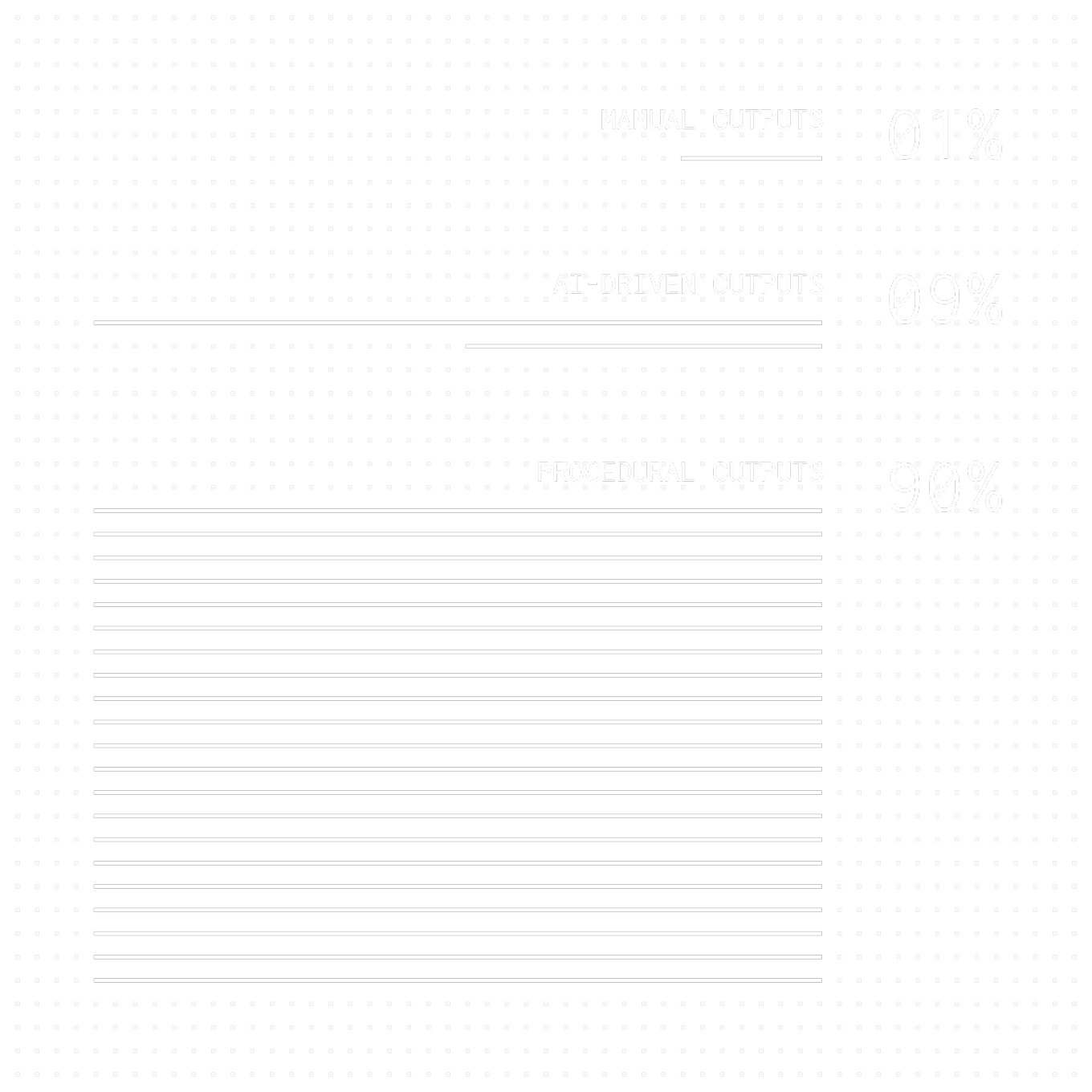
Distribution by generation type
Agentic workflows
Protogrid has been the Beta testbed for an extended agentic workflow, from selecting allowlist candidates and communicate with the audience, to the actual Grid output generation.
Terminal (Alpha version)
Terminal is the communication layer of the project. Released to be open to everyone, users could freely converse with it, receive initial clues about the project, and unlock features like joining the project waitlist. The agent later helped generate the allowlist by hand picking candidates, organizing the selection process into batches where each user would find a personal message with clues about the reasoning behind their selection.
Cluster (Alpha version)
Cluster is the agent managing the creative process behind the AI-driven Grids. It was trained on "The Grid", my original 1/1 collection, by given access to a schema-based representation of every artwork, with each schema mapped to its corresponding title and description.
On top of this foundational knowledge, the agent was given specific instructions crafted to strike a balance between the aesthetic I wanted to achieve and a certain degree of freedom to let it express itself.
AI-driven Output generation flow
Palette
Protogrid inherits and extends The Grid's structured color language—core ramps, depth keys, and manual accents—and layers on a scalable system of generative swatches so the collection can grow without losing a shared visual grammar. The palette page lists every swatch and how those colors show up across the set.